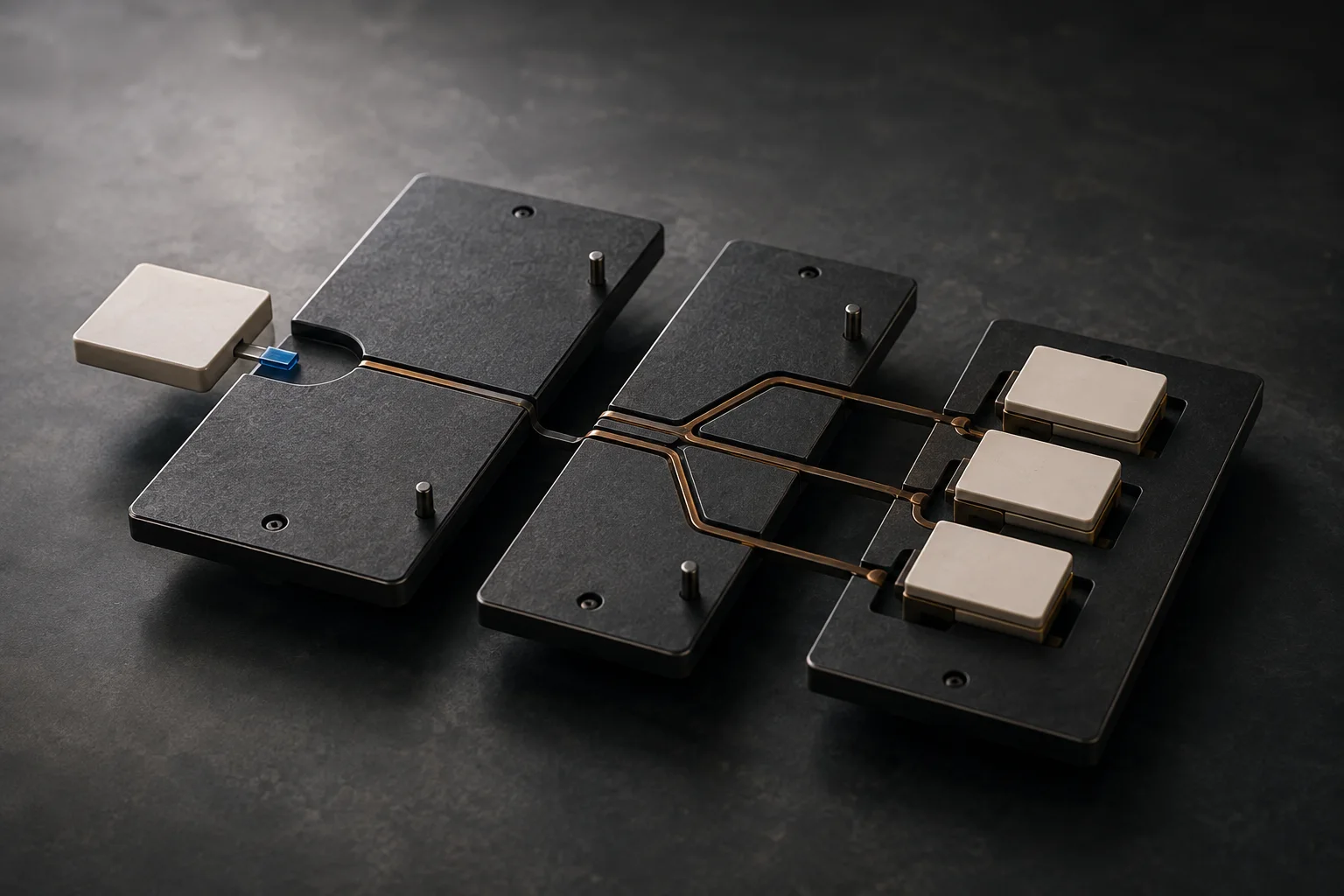
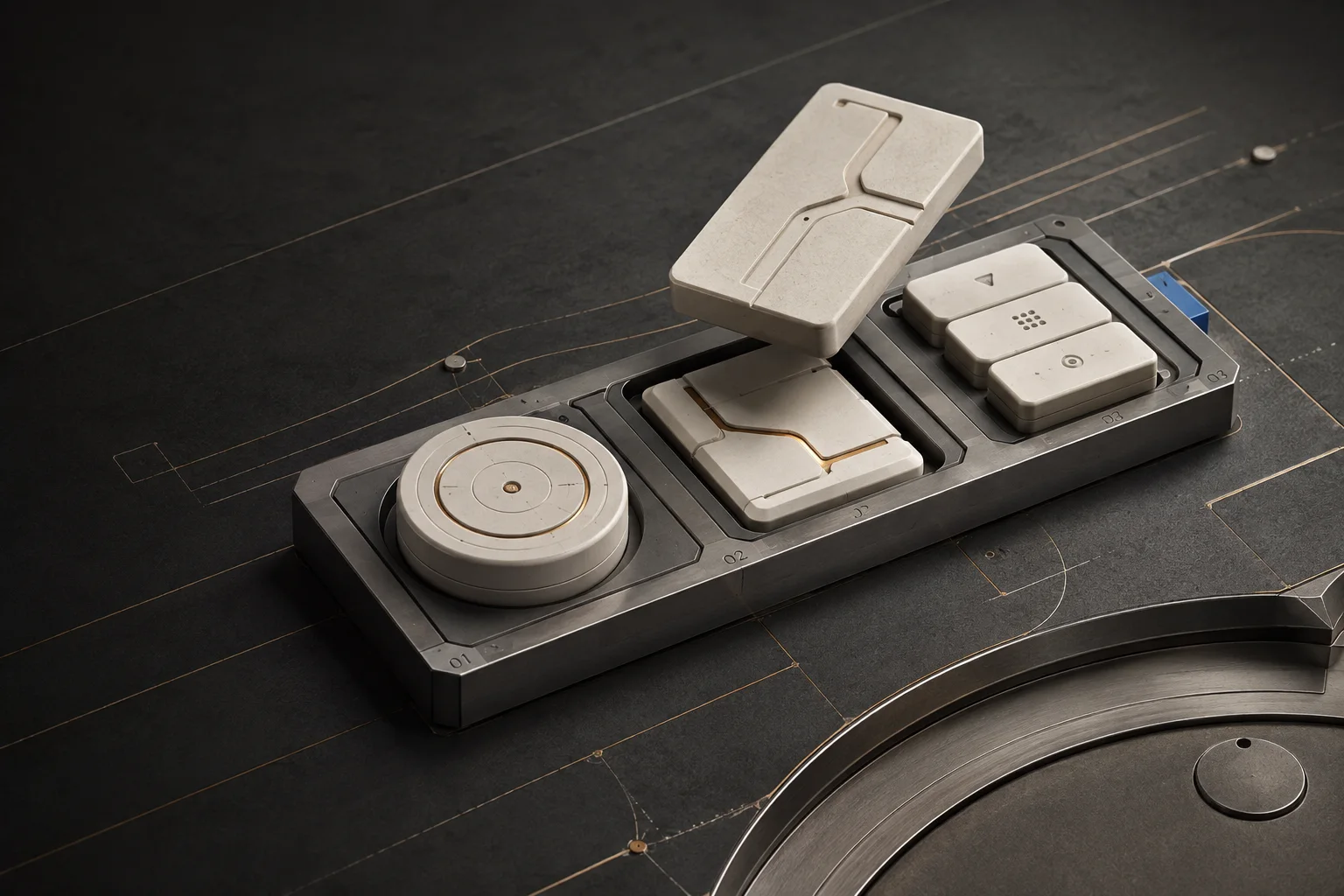
A public workbench for trying the runtime in the open.
CREATE SOMETHING .space is where tools, routes, and interaction patterns get tested against real execution surfaces. The point is not a polished demo. It is a live place to run code, inspect motion, and stress ideas before they become patterns or products.
Live routes. Workers-first execution. Inspectable outputs.
The full workbench belongs on its own operating surface.
The hero should establish the offer. The actual workbench needs a full-width section so the route tabs, checks, outputs, and runtime notes can breathe like a tool instead of a compressed promo panel.
Run a Workers-safe JavaScript snippet with console streaming and async fetch support.
- Snippet sandboxed against the Workers runtime
- Console frames returned in order
- Network calls stay within runtime policy boundaries
- stdout / stderr stream
- timing + exit state
- copyable request body
Execution ready
The runtime surface stays immediate: edge execution, web-standard APIs, and output frames in one loop.
Pick a route and work with the system directly.
The workbench is organized around live routes that expose execution, analysis, or learning loops. Each surface should feel like a working tool, not a static marketing panel.
The workbench has a job beyond showing off.
The practice layer should reveal how the system behaves, where it breaks, and which ideas are strong enough to carry into documentation or governed delivery.
Execute live
The tool should do real work against a real runtime. If it only exists as a screenshot, it has not earned the pattern.
- Prefer edge-safe execution surfaces over mocked behavior
- Return enough output to make the system inspectable
- Keep request and response shapes visible to the user
Inspect the system
A useful workbench exposes timing, state, policy assumptions, and the limits of the runtime instead of smoothing them away.
- Capture timing and state transitions as first-class output
- Make failure modes discoverable before they become user pain
- Treat observability as part of the interface
Promote what survives
The experiments that hold up here are the ones that move into research, policy artifacts, or governed delivery.
- Validated ideas roll into .io as documented patterns
- High-stakes workflows graduate into .agency delivery
- The workbench stays close to the implementation edge
Practice here, then move the result into the right layer.
The best workbench patterns do not stay trapped on the playground. They transfer into the research, delivery, and editorial properties that complete the system.
Start with the runtime you want to inspect.
Open the playground if you want to execute code, motion if you want to inspect interaction systems, or data if you want to work against a live refresh loop.